Fiscal Capitalism And The Dismantling Of Citizenship
Puno-Peru In The Nineteenth Century
Christine Hunefeldt
This excellent history of Peru proposes and proves an entirely new thesis on its nineteenth century: the changes in its economy that might have led to a better future were undone by taxes and other demands at the national, provincial and local levels. The failure of Peru owes a good deal to wartime taxes and local tax farming of the countryside. Professor Christine Hunefeldt do...
This excellent history of Peru proposes and proves an entirely new thesis on its nineteenth century: the changes in its economy that might have led to a better future were undone by taxes and other demands at the national, provincial and local levels. The failure of Peru owes a good deal to wartime taxes and local tax farming of the countryside. Professor Christine Hunefeldt does for the mundane issue of taxation what she has already done for Peruvian slavery and women?s rights; she writes a new history based on the evolution of a tax structure that changed for the worse over time. This is the work of a first-rate, mature scholar at the height of her powers. The book should sit right beside Nils Jacobsen, Brooke Larson, and Alberto Flores Galindo. Like other recent historians, Hunefeldt rejects the view that the nineteenth century was largely a continuation of Peru?s colonial period. She emphasizes the disruptions of independence which involved international battles as well as numerous regional and intraregional fights. Archive stories, beautifully told, flesh out the reality in every chapter. Men were conscripted into armies and their families left to starve without them. Taxes paid once had to be paid again when local offices changed hands. Indians, the most numerous portion of the population in Puno, the area on which Hunefeldt focuses, were often a month at most from complete ruin. Women begging for their sons and husbands to be returned. Traders who had been robbed appealing for justice. Hunefeldt?s writing is crisp and available to any educated layman. Read, and have your eyes opened. Here is a genuine history of Peru that reinterprets its nineteenth century through the causes and practices of a tax structure and wartime appropriations that changed Peru for the worse, leaving its people insecure in their holdings, or robbed and crying for justice, while at the same time defining their own sense of good citizenship in the nation-state by criticizing the wrongdoings but also supporting the honesty of local powerholders, indigenous or not. Michael Monteon University of California, San Diego
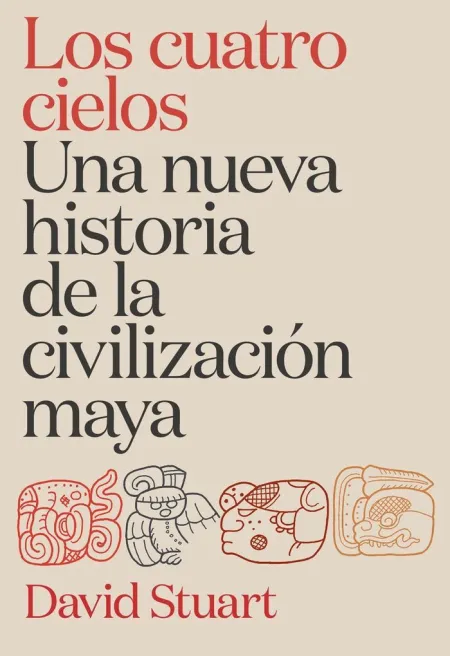
Una historia monumental de la civilización maya a lo largo de tres milenios.Durante siglos, la civilización maya permaneció oculta tras las ciudades en ruinas devoradas por la selva tropical. Gracias a los descubrimientos arqueológicos más recientes, al fin podemos contar la historia desde su perspectiva. En Los cuatro cielos, el reconocido historiador y arqueólogo David Stuart...
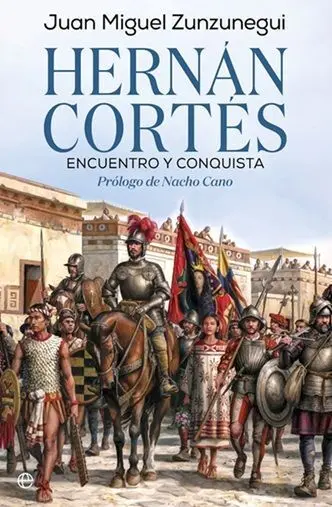
Tras el éxito de Al día siguiente de la conquista, con más de 25.000 ejemplares vendidos, Juan Miguel Zunzunegui publica en España una biografía reveladora sobre Hernán Cortés para colocar la historia en el lugar que tradicionalmente ha invadido la propaganda.Villano o héroe. Constructor o destructor... Todo lo que tiene que ver con Cortés se mueve hoy entre los adjetivos más e...
Deadwood fue descrita en su día como «la ciudad más diabólica sobre la faz de la tierra», un ombligo de pecado que emergió a comienzos de 1876 en las Black Hills (Dakota del Sur), excrecencia de la fiebre del oro que convocó allí a miles de mineros, buscavidas, pistoleros, prostitutas y mercachifles. Una ciudad de barracas infectas, de saloons donde corría el alcohol y de habit...
La aparición de "Colón y su tiempo" representó para los estudios colombinos una bocanada de aire fresco. Juan Gil, que ya contaba entonces con una amplia obra dedicada a los textos latinos hispanos, se adentraba en el océano desconocido de los antiguos por la singladura de las ensoñaciones que mecieron la imaginación de Cristóbal Colón. Se trataba pues de comprender las motivac...
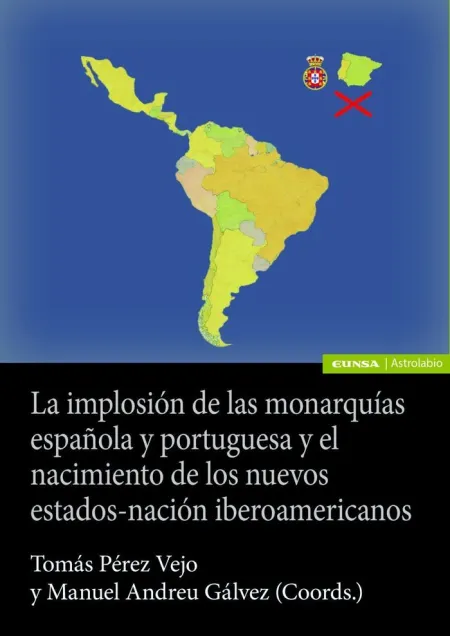
Este trabajo multidisciplinar, obra de una quincena de autores de toda Iberoamérica, tiene como objetivo el estudio del complejo proceso que llevó al nacimiento de los estados nacionales, como consecuencia de la implosión de los imperios ibéricos de antiguo régimen. Una aproximación que tiene puesta su mirada tanto en el caso peninsular como en el espacio ultramarino, y que pre...
En julio de 1520 se produjo la batalla de Otumba. Las fuerzas de Hernán Cortés, derrotadas en Tenochtitlan durante la «Noche Triste», se replegaban hacia el territorio aliado de Tlaxcala cuando fueron interceptadas por un ejército de la Triple Alianza, mucho más numeroso. Hambrientos y heridos, aquellos pocos cientos de hombres pasaron al contraataque y lograron una victoria ta...
En 1780 la Armada española provocó el mayor desastre naval de la historia británica: capturó cincuenta y cinco buques pertenecientes a un doble convoy, destinado a la India y, sobre todo, a nutrir a las tropas británicas que combatían contras las colonias rebeldes en Norteamérica. La captura tuve un impacto tremendo, influyendo en el curso de la guerra de Independencia de Esta...
Cuando Hitler se suicidó, dejó dicho que en el futuro llegaría un IV Reich... ¿Ha llegado ese tiempo? ¿Es Donald Trump el líder de esa nueva corriente de Ilustración oscura?Después de su llegada al poder, en abril de 2025, creyéndose un nuevo dios del mundo, Trump puso en marcha el mayor ataque al comercio que se ha efectuado tras la segunda guerra mundial. Aunque se ha echado ...
A finales del siglo XVIII, cuando Estados Unidos logró su independencia del Reino Unido, comenzó la conquista del Oeste, una expansión masiva que se extendió a lo largo del siglo XIX, impulsada por millones de migrantes europeos que buscaban establecerse en la nueva «Tierra Prometida». Al llegar a los fértiles valles del Mississippi y el Ohio, los colonos se encontraron con cie...
-5%
21,00 €19,95 €
Añadir a favoritos
-5%
43,00 €
40,85 €
Sobre IBD (Impresión Bajo Demanda)
Impresión bajo demanda (IBD) o publicación bajo demanda (POD – Print On Demand) es un sistema de publicación en la que se imprime solamente el número de ejemplares necesarios para atender su pedido (Impresión 1x1).
Imprimiremos el libro para usted, por lo que no está permitida la anulación, ni devolución del pedido (salvo error o defecto de imprenta).
17860190186a747cca531ab00
https://www.troa.es/libro/fiscal-capitalism-and-the-dismantling-of-citizenship_986958986958Fiscal Capitalism And The Dismantling Of CitizenshipThis excellent history of Peru proposes and proves an entirely new thesis on its nineteenth century: the changes in its economy that might have led to a better future were undone by taxes and other demands at the national, provincial and local levels. The failure of Peru owes a good deal to wartime taxes and local tax farming of the countryside. Professor Christine Hunefeldt does for the mundane issue of taxation what she has already done for Peruvian slavery and women?s rights; she writes a new history based on the evolution of a tax structure that changed for the worse over time. This is the work of a first-rate, mature scholar at the height of her powers. The book should sit right beside Nils Jacobsen, Brooke Larson, and Alberto Flores Galindo. Like other recent historians, Hunefeldt rejects the view that the nineteenth century was largely a continuation of Peru?s colonial period. She emphasizes the disruptions of independence which involved international battles as well as numerous regional and intraregional fights. Archive stories, beautifully told, flesh out the reality in every chapter. Men were conscripted into armies and their families left to starve without them. Taxes paid once had to be paid again when local offices changed hands. Indians, the most numerous portion of the population in Puno, the area on which Hunefeldt focuses, were often a month at most from complete ruin. Women begging for their sons and husbands to be returned. Traders who had been robbed appealing for justice. Hunefeldt?s writing is crisp and available to any educated layman. Read, and have your eyes opened. Here is a genuine history of Peru that reinterprets its nineteenth century through the causes and practices of a tax structure and wartime appropriations that changed Peru for the worse, leaving its people insecure in their holdings, or robbed and crying for justice, while at the same time defining their own sense of good citizenship in the nation-state by criticizing the wrongdoings but also supporting the honesty of local powerholders, indigenous or not. Michael Monteon University of California, San Diego https://www.troa.es/imagenes/9788491/978849123158.webp40.8543.005.002.15InStockhttps://www.troa.es/imagenes/9788491/978849123158.webp1614607161458216062181611386160144516233361591246157397815778261568035
Esta web utiliza cookies propias y de terceros que permiten al usuario la navegación a través de una página web (técnicas), para el seguimiento y análisis estadístico del comportamiento de los usuarios (analíticas), que permiten la gestión de los espacios publicitarios que, en su caso, el editor haya incluido en una página (publicitarias) y cookies que almacenan información del comportamiento de los usuarios obtenida a través de la observación continuada de sus hábitos de navegación. Si acepta este aviso consideraremos que acepta su uso. Puede obtener más información aquí.