When the Spanish empire lost the greater part of its American territories in the early nineteenth century, the Spanish government was forced to reformulate the colonial policies applied in the Philippines, updating and adjusting them constantly throughout the remainder of the century, until they arrived at the process of reform and modernization of the last third of the ninetee...
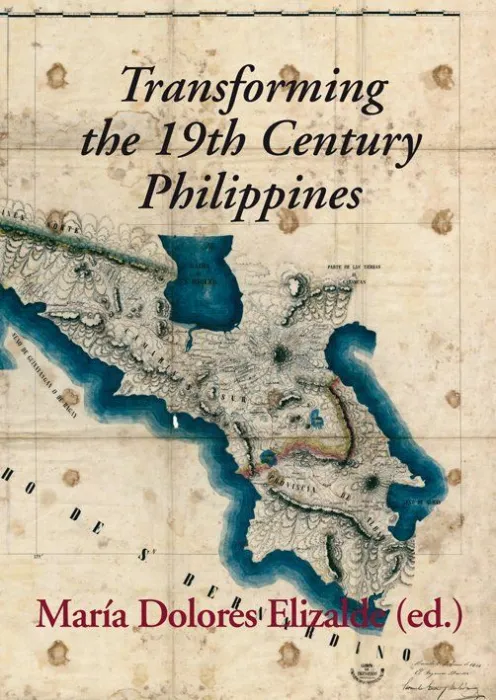
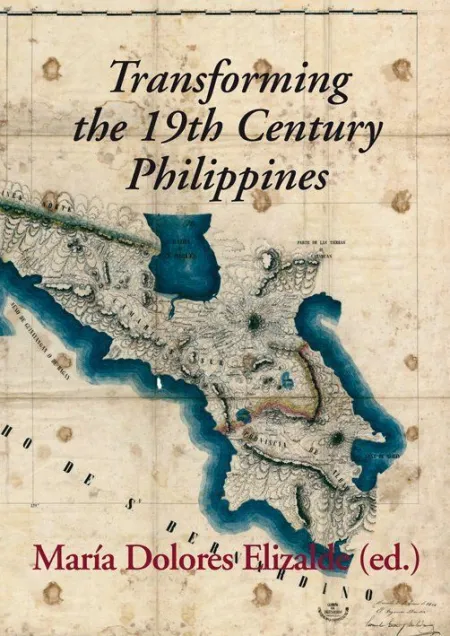
When the Spanish empire lost the greater part of its American territories in the early nineteenth century, the Spanish government was forced to reformulate the colonial policies applied in the Philippines, updating and adjusting them constantly throughout the remainder of the century, until they arrived at the process of reform and modernization of the last third of the nineteenth century, with its lights and shadows. This volume looks at the successes and failures of this process of transformation of the Spanish Administration in the nineteenth-century Philippines. In this volume Filipino, Spanish and specialists from other countries collaborate to jointly consider, from innovative perspectives, alternative viewpoints, and rigorous archival sources, the scope and significance of the reforms and the process of modernization undertaken in the Philippines in the last decades of the 19th century. The authors address the following issues, divided into thematic sections: Politics; Economics; Development of the State's technical bodies; Public works and Infrastructure; Education reform and Professional Capacitation; and Demographics and Public Health. This volume is divided into different sections: The first one looks at the political reforms that were contemplated in the Philippine archipelago in the nineteenth century, examining various frameworks of modernity in relation to nineteenth century ideas of Filipino nationhood, and analyzing the struggle between reformists and anti-reformists in the process of transforming the Philippines. The volume's second part presents an economic overview of the nineteenth century Philippines, studying the industrial processing of raw materials in the Philippines, and the progress of the Philippine economy, as well as the work of some of its main agents, both public and private. The third part focuses on the development of the State's technical bodies, particularly, the creation and roles of the two powerful state agencies: the Inspección General de Obras Públicas and the Inspección General de Montes, and their impact in the islands' subsequent evolution. The book's fourth part is dedicated to an analysis of developments, specially the modernization of transportation in Manila in the second half of the 19th Century and the continuities between the Spanish and the American Administrations, not only in the planning, but also in the technical teams that carried them out. The fifth part focuses on the proposed education reform and on the possibilities of professional capacitation in the Philippines, working on textbooks and on the creation of the Escuela Náutica de Manila. The book's sixth and final part is dedicated to studies on demographics and Philippine public health during this period, analyzing demographic trends, as well as the Municipal Laboratory of Manila, 1887-1898. These works continue and complement the researches published in the volume "Anhelos de cambio" (Polifemo, 2021) and the dossier "Ciencia e Ingeniería en las Filipinas del siglo xix" (Illes i Imperis, 2021).
Este libro examina las ideas, discursos y prácticas sociales que moldearon la China moderna, desde la Guerra del Opio de 1840 hasta la fundación de la República de China en 1912. Dividido en cuatro partes, el libro comienza con un estudio de los cambios fundamentales en las relaciones étnicas durante las últimas décadas imperiales, en particular entre manchúes y han.La segunda ...
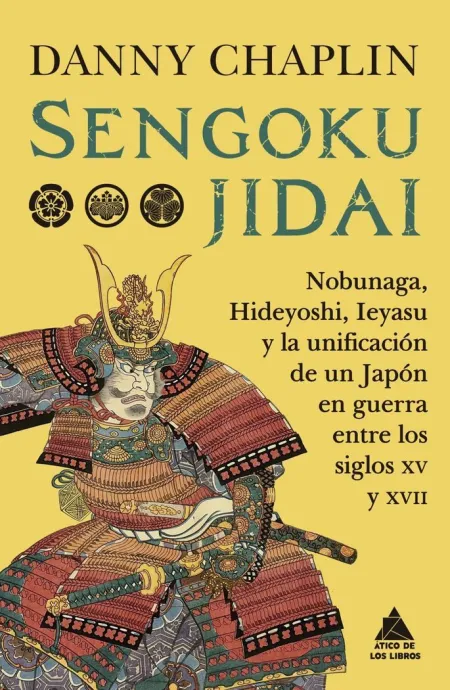
Sangre y acero: los samuráis que forjaron Japón El período Sengoku de Japón, conocido como el «período de los Estados Combatientes», fue una época de profunda crisis, guerra constante y cambio social entre los siglos XV y XVII. En esta época, ascendieron al poder samuráis procedentes de la clase militar rural, hombres violentos que se hicieron con el poder en un país asolado p...
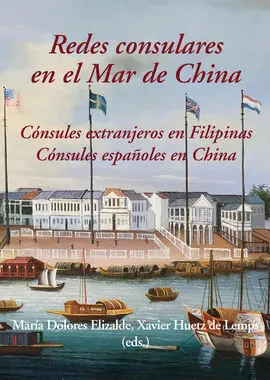
Desde una mirada global y transimperial, este libro explora y contrasta dos facetas de las redes consulares que se establecieron a lo largo del siglo xix en ambas orillas del mar de China: la presencia consular extranjera en las Filipinas bajo dominio español y los consulados españoles abiertos en China, Hong Kong y Singapur. En él se analizan las distintas funciones que desem...
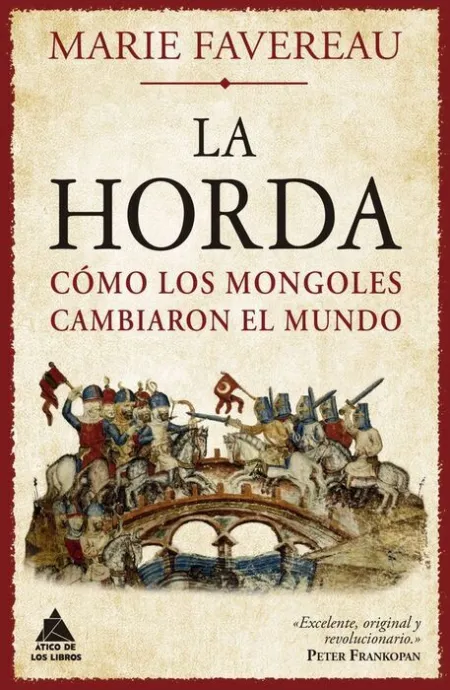
Cómo los mongoles occidentales dieron forma a la primera globalización Los mongoles son célebres sobre todo por una cosa: la conquista. Pero, en realidad, sus logros fueron mucho más allá de la guerra. Durante tres siglos, la Horda de Oro, la porción occidental del Imperio mongol que surgió tras la muerte de Gengis Kan, tuvo tanta influencia en el mundo como en otros tiempos la...
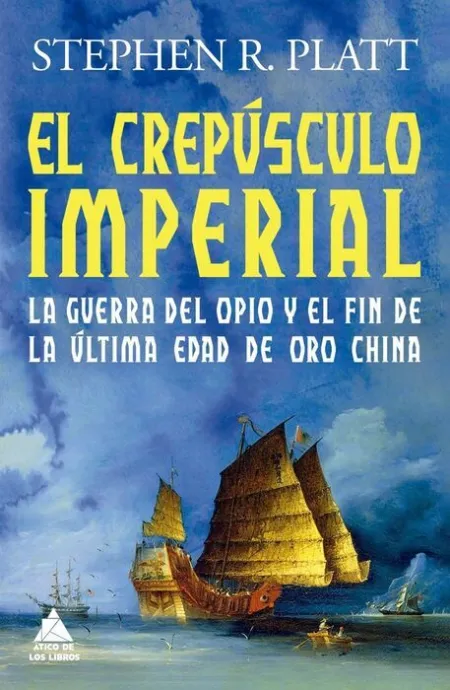
La historia del primer gran conflicto entre China y Occidente Cuando Gran Bretaña, llevada por los intereses de sus traficantes de opio y su propia avaricia, inició su primera guerra contra China en 1839, se embarcó en uno de los conflictos más inmorales de la historia, cuyas consecuencias perduran hasta la actualidad. China salió derrotada de esta primera guerra del Opio, que...
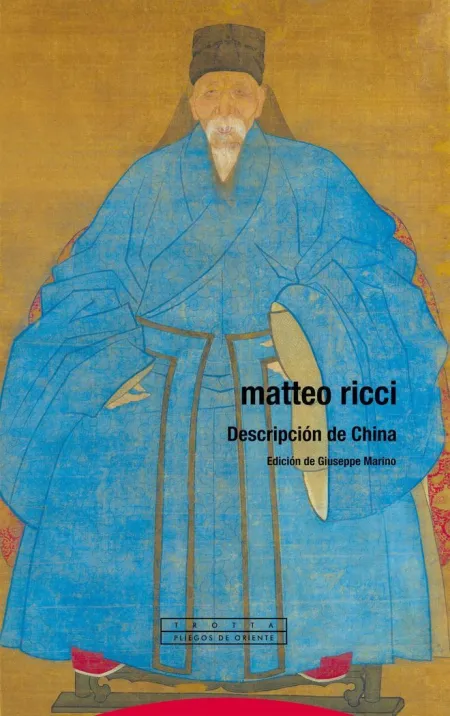
Mateo Ricci fue un jesuita enviado a China con el fin de proceder a la evangelización. En este libro recoge información importante sobre el gigante asiático que puede sorprender. El libro fue capital y muy relevante en términos políticos: existían varias descripciones de China, casi todas debidas a religiosos, y en ellas se basaban las relaciones -no siempre fáciles- diplomátic...
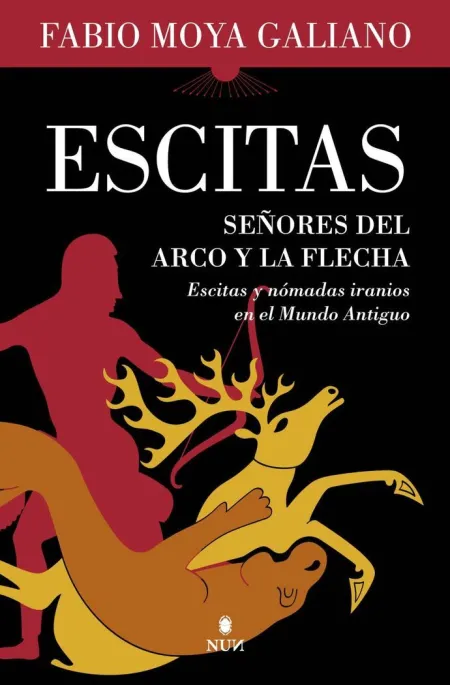
Desde los grandes monarcas aqueménidas, Ciro y Darío, hasta el gran conquistador macedonio Alejandro Magno, los escitas y los pueblos iranios en general, encarnaron un auténtico desafío militar ante todos los grandes estados nacidos en la Antigüedad. Desde sus lejanas y desconocidas tierras del norte, los escitas fueron mitificados, temidos, despreciados e incluso admirados...
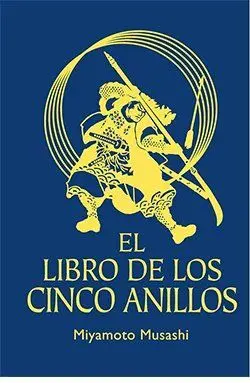
"Cuando alcances el Camino de la estrategia, no habrá nada que no puedas ver". Miyamoto Musashi Poco antes de su muerte en 1645, el invicto espadachín Miyamoto Musashi se retiró a una cueva para vivir como ermitaño. Allí escribió cinco pergaminos en los que describía los "verdaderos principios" necesarios para la victoria en las artes marciales y en el campo de batalla. En lug...
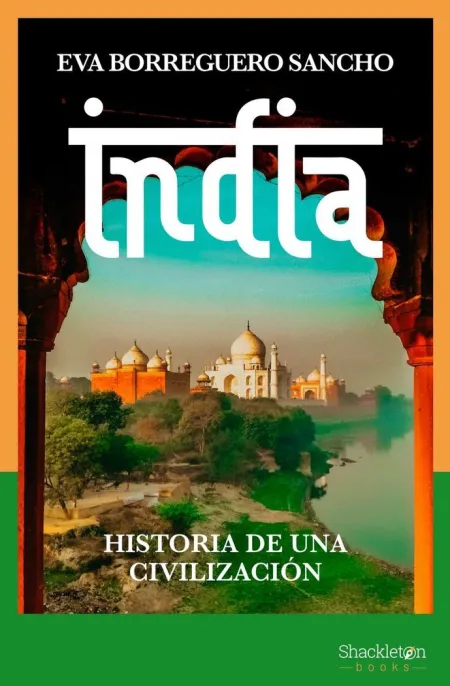
Pocas historias son tan complejas como la de la civilización india. La vasta extensión del territorio en el que se ha desarrollado, su antigüedad y las constantes interacciones con otras culturas hacen que sea un auténtico desafío enhebrar un relato que refleje toda la riqueza y diversidad de su pasado. Sintetizar más de cuatro mil años de historia de una región en la que han l...
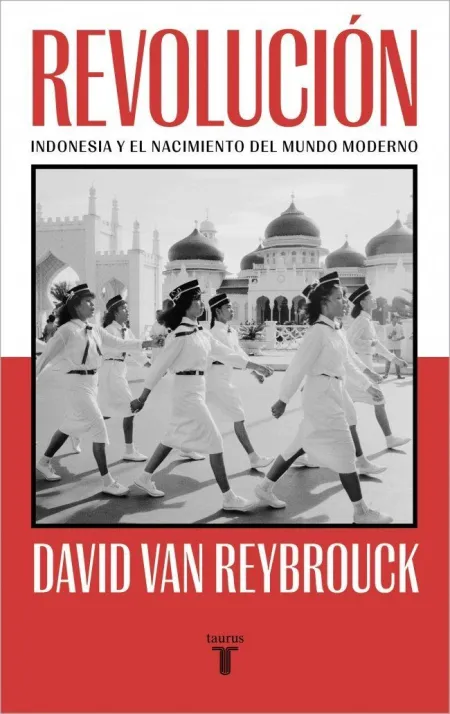
Una perspicaz reconstrucción de la descolonización de Indonesia, un proceso de alcance e interés mundial. Durante mucho tiempo se ha considerado que la lucha por la independencia de Indonesia, cuyo punto álgido se situó en la década de 1940, fue un conflicto aislado entre la potencia colonial, los Países Bajos, y las colonizadas Indias Orientales Holandesas. El relato que ha...
-5%
25,90 €24,61 €
Añadir a favoritos
-5%
30,00 €
28,50 €
Sobre IBD (Impresión Bajo Demanda)
Impresión bajo demanda (IBD) o publicación bajo demanda (POD – Print On Demand) es un sistema de publicación en la que se imprime solamente el número de ejemplares necesarios para atender su pedido (Impresión 1x1).
Imprimiremos el libro para usted, por lo que no está permitida la anulación, ni devolución del pedido (salvo error o defecto de imprenta).
17859147646a72e58c3804b00
https://www.troa.es/libro/transforming-the-19th-century-philippines_12922261292226Transforming The 19Th Century PhilippinesWhen the Spanish empire lost the greater part of its American territories in the early nineteenth century, the Spanish government was forced to reformulate the colonial policies applied in the Philippines, updating and adjusting them constantly throughout the remainder of the century, until they arrived at the process of reform and modernization of the last third of the nineteenth century, with its lights and shadows. This volume looks at the successes and failures of this process of transformation of the Spanish Administration in the nineteenth-century Philippines. In this volume Filipino, Spanish and specialists from other countries collaborate to jointly consider, from innovative perspectives, alternative viewpoints, and rigorous archival sources, the scope and significance of the reforms and the process of modernization undertaken in the Philippines in the last decades of the 19th century. The authors address the following issues, divided into thematic sections: Politics; Economics; Development of the State's technical bodies; Public works and Infrastructure; Education reform and Professional Capacitation; and Demographics and Public Health. This volume is divided into different sections: The first one looks at the political reforms that were contemplated in the Philippine archipelago in the nineteenth century, examining various frameworks of modernity in relation to nineteenth century ideas of Filipino nationhood, and analyzing the struggle between reformists and anti-reformists in the process of transforming the Philippines. The volume's second part presents an economic overview of the nineteenth century Philippines, studying the industrial processing of raw materials in the Philippines, and the progress of the Philippine economy, as well as the work of some of its main agents, both public and private. The third part focuses on the development of the State's technical bodies, particularly, the creation and roles of the two powerful state agencies: the Inspección General de Obras Públicas and the Inspección General de Montes, and their impact in the islands' subsequent evolution. The book's fourth part is dedicated to an analysis of developments, specially the modernization of transportation in Manila in the second half of the 19th Century and the continuities between the Spanish and the American Administrations, not only in the planning, but also in the technical teams that carried them out. The fifth part focuses on the proposed education reform and on the possibilities of professional capacitation in the Philippines, working on textbooks and on the creation of the Escuela Náutica de Manila. The book's sixth and final part is dedicated to studies on demographics and Philippine public health during this period, analyzing demographic trends, as well as the Municipal Laboratory of Manila, 1887-1898. These works continue and complement the researches published in the volume "Anhelos de cambio" (Polifemo, 2021) and the dossier "Ciencia e Ingeniería en las Filipinas del siglo xix" (Illes i Imperis, 2021). https://www.troa.es/imagenes/9788416/978841633579.webp28.5030.005.001.5OutOfStockhttps://www.troa.es/imagenes/9788416/978841633579.webp1586363157331115142921437200143945113379491323986130341112914281257554
Esta web utiliza cookies propias y de terceros que permiten al usuario la navegación a través de una página web (técnicas), para el seguimiento y análisis estadístico del comportamiento de los usuarios (analíticas), que permiten la gestión de los espacios publicitarios que, en su caso, el editor haya incluido en una página (publicitarias) y cookies que almacenan información del comportamiento de los usuarios obtenida a través de la observación continuada de sus hábitos de navegación. Si acepta este aviso consideraremos que acepta su uso. Puede obtener más información aquí.